Individual Therapy for Caregivers
- Emotional processing
- Boundary setting
- Guilt work
- Burnout recovery
Caring for someone you love is an act of strength — but you don't have to carry it alone.
Whether you're caring for an aging parent, a child with special needs, a partner with illness, or a family member facing mental health challenges — your emotional wellbeing matters too.
Welcome to Ameera Wellness
"The conversation about mental health starts here. Because mental health is not a luxury, it's a necessity – and Ameera Wellness is here to..."
Your mental health matters. Let's take the first step together 💖
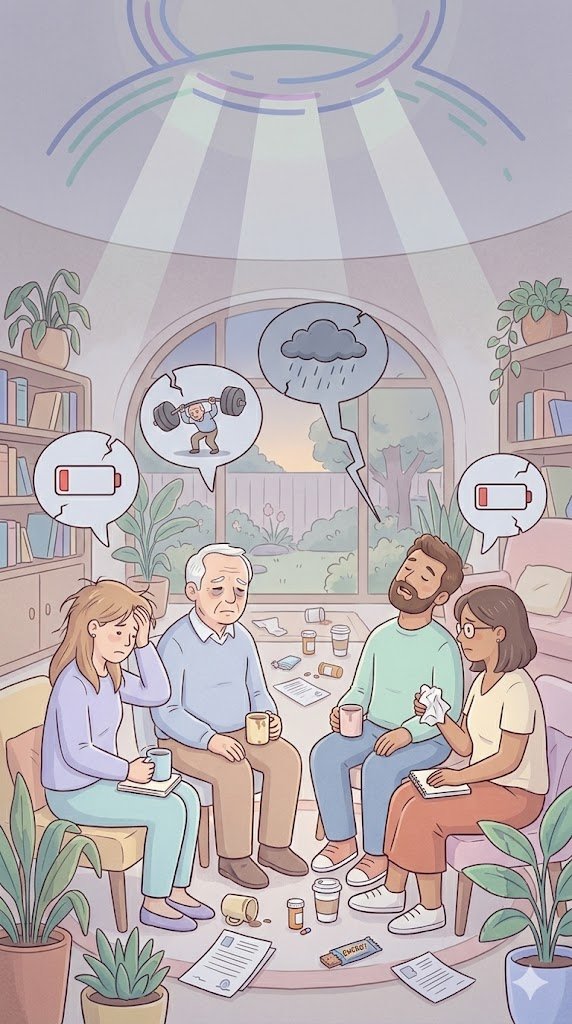
Caregiver burnout is a state of physical, emotional, and mental exhaustion caused by prolonged stress of caring for someone. It happens when your demands exceed your resources and support.
Often, caregivers prioritize the care recipient's needs over their own due to guilt, responsibility, fear, or lack of support systems. This self-neglect deepens burnout.
We understand that every caregiving journey is unique. Find support specific to your situation:
Navigate aging-related challenges, advance planning, and emotional transitions.
Emotional support for parents managing complex care and developmental needs.
Support for partners managing health changes while maintaining relationship balance.
Emotional resources for caregiving in long-term health situations.
Support for families managing a loved one's mental health challenges.
Help during sudden health emergencies or transitions.
At Ameera Wellness, we hold space for you — not just your responsibilities.
Choose a time that works for you. We offer flexible scheduling.
In a confidential space, explore your experiences and emotions.
Develop tools and resilience for sustainable caregiving.
"For the first time, I felt heard not just as a caregiver, but as a person. This therapy gave me permission to care for myself."— Ananya, Caregiver for Aging Parent
"I learned that setting boundaries isn't abandonment — it's self-preservation. That changed everything for me."— Rajesh, Spousal Caregiver
Yes. Caregiver therapy focuses specifically on the unique challenges caregivers face — burnout, guilt, boundary-setting, and identity loss. While it uses therapeutic techniques like CBT, it's tailored to the caregiving context.
That guilt is common and valid. Therapy helps you understand that self-care isn't selfish — it's essential. When you're emotionally depleted, you can't give your best. Caring for yourself allows you to care more sustainably for others.
Absolutely. We offer both online and in-person sessions to fit your schedule and comfort level. Many caregivers find online sessions more convenient given their time constraints.
Yes. We offer flexible support — whether you need short-term crisis support, ongoing weekly sessions, or monthly check-ins. Your plan is customized to your needs and budget.
Caring for yourself is not selfish. It is sustainable love.