Starting therapy can feel like a big step. You may feel curious, hopeful, nervous — or even unsure if you "really need it". These feelings are completely normal.
Therapy is not only for moments of crisis. It is a supportive space for understanding yourself, managing emotions, navigating challenges, and building healthier patterns.
If you're considering therapy, this guide will help you know what to expect.
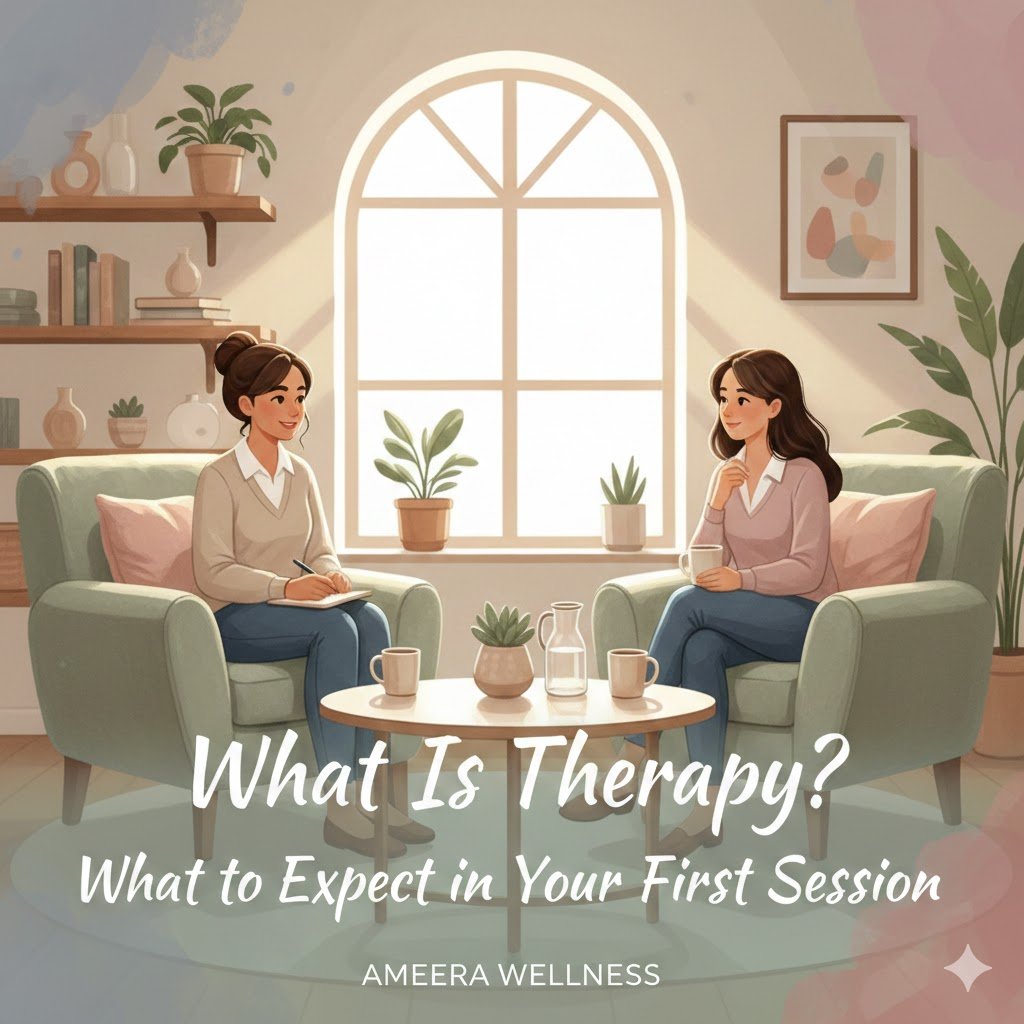
What Is Therapy?
Therapy is a collaborative process between you and a trained mental health professional. It provides a safe, confidential, and non-judgmental environment where you can explore your thoughts, feelings, and experiences.
Therapy can help with:
- Anxiety and depression
- Stress and burnout
- Relationship challenges
- Low self-esteem
- Trauma and past experiences
- Life transitions
- Emotional overwhelm
It is not about being “fixed.” It is about being understood and supported while you grow.
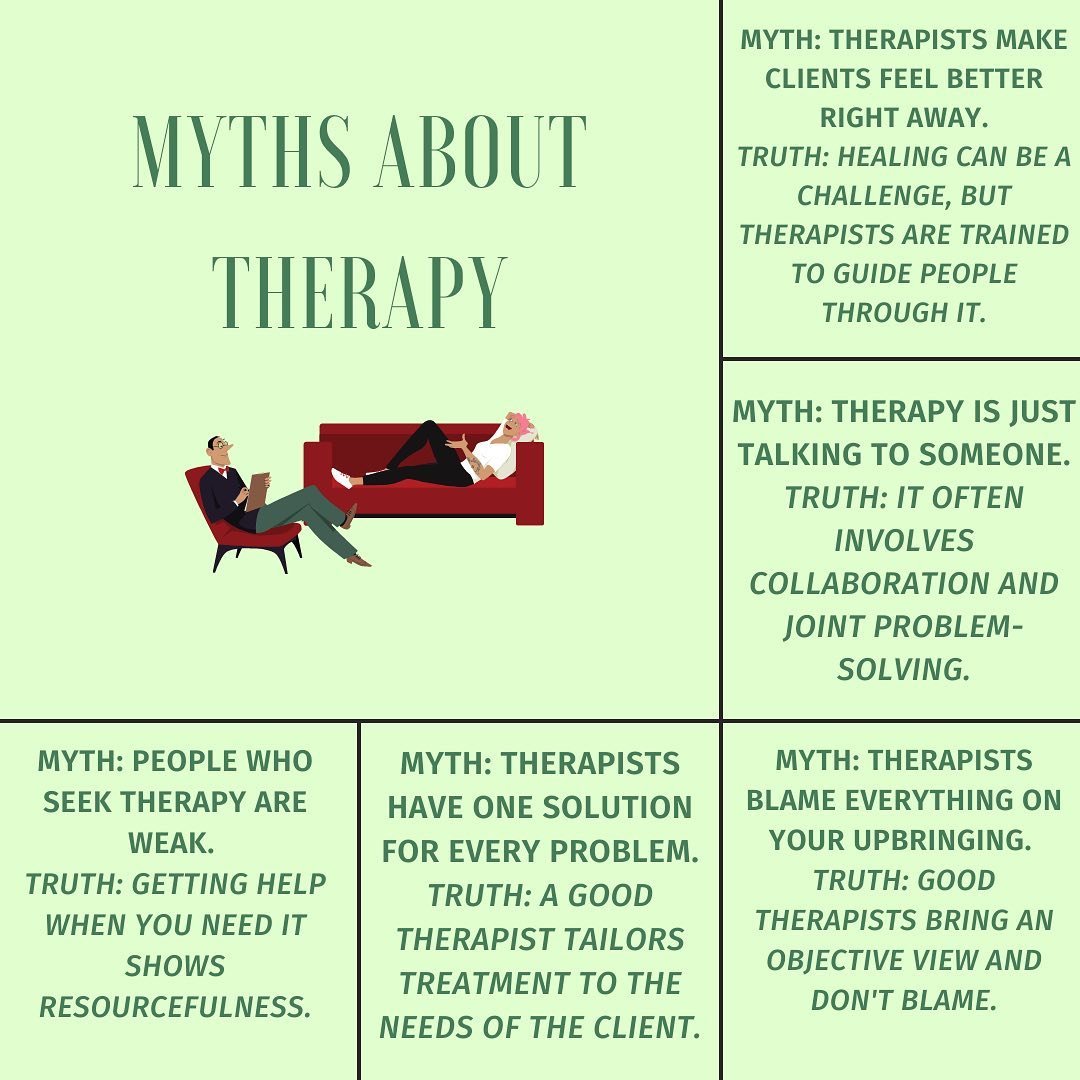
Common Myths About Therapy
Before your first session, you might wonder:
- “Will I be judged?”
- Comparing yourself to others
- “What if I don’t know what to say?”
- “Does going to therapy mean I’m weak?”
The truth is:
- Therapists are trained to listen without judgment.
- It’s okay if you don’t know where to begin — your therapist will guide you.
- Seeking help is a sign of self-awareness and strength.
What Happens in the First Session?
Your first session is usually an introduction and assessment.
Here’s what typically happens:
- Getting to Know You
Your therapist may ask about:
- What brought you to therapy
- Your current concerns
- Your personal history
- Your goals for therapy
There is no pressure to share everything at once. You can move at your own pace.
- Explaining Confidentiality
Your therapist will explain privacy policies and when confidentiality applies. This helps build trust and safety.
- Setting Goals
You may discuss what you hope to gain from therapy — whether it’s coping tools, emotional clarity, better relationships, or self-growth.
- Asking Questions
You can ask about:
- The therapist’s approach
- How sessions are structured
- Frequency of sessions
- Anything that feels unclear
This session is as much for you to evaluate the therapist as it is for them to understand you.

What If I Feel Emotional?
It’s completely okay if you feel emotional during or after your first session. Opening up can bring relief, vulnerability, or even temporary discomfort.
All of it is part of the process.
You are not expected to be perfectly composed.
How Long Does Therapy Take?
There is no universal timeline. Some people attend short-term therapy for a specific concern. Others continue longer-term for deeper personal growth.
Progress depends on your goals, challenges, and personal pace.
Healing is not linear — and that’s okay.

A Gentle Reminder
You do not need to wait until things feel unbearable to seek support.
Therapy is a space where:
- You are heard
- Your feelings are valid
- Your experiences matter
- Growth is possible
At Ameera Wellness, we believe that emotional wellbeing begins with a safe connection. Taking the first step may feel intimidating, but it can also be the beginning of meaningful change.