We live in a world that rarely slows down. Notifications never stop. Expectations keep rising. Deadlines, responsibilities, and social pressures can pile up quickly.
In a fast-paced environment, stress can begin to feel normal — even constant. But while stress is a natural part of life, chronic stress can quietly impact your mental, emotional, and physical well-being.
Learning how to manage stress isn’t about eliminating responsibilities. It’s about building resilience and protecting your peace.
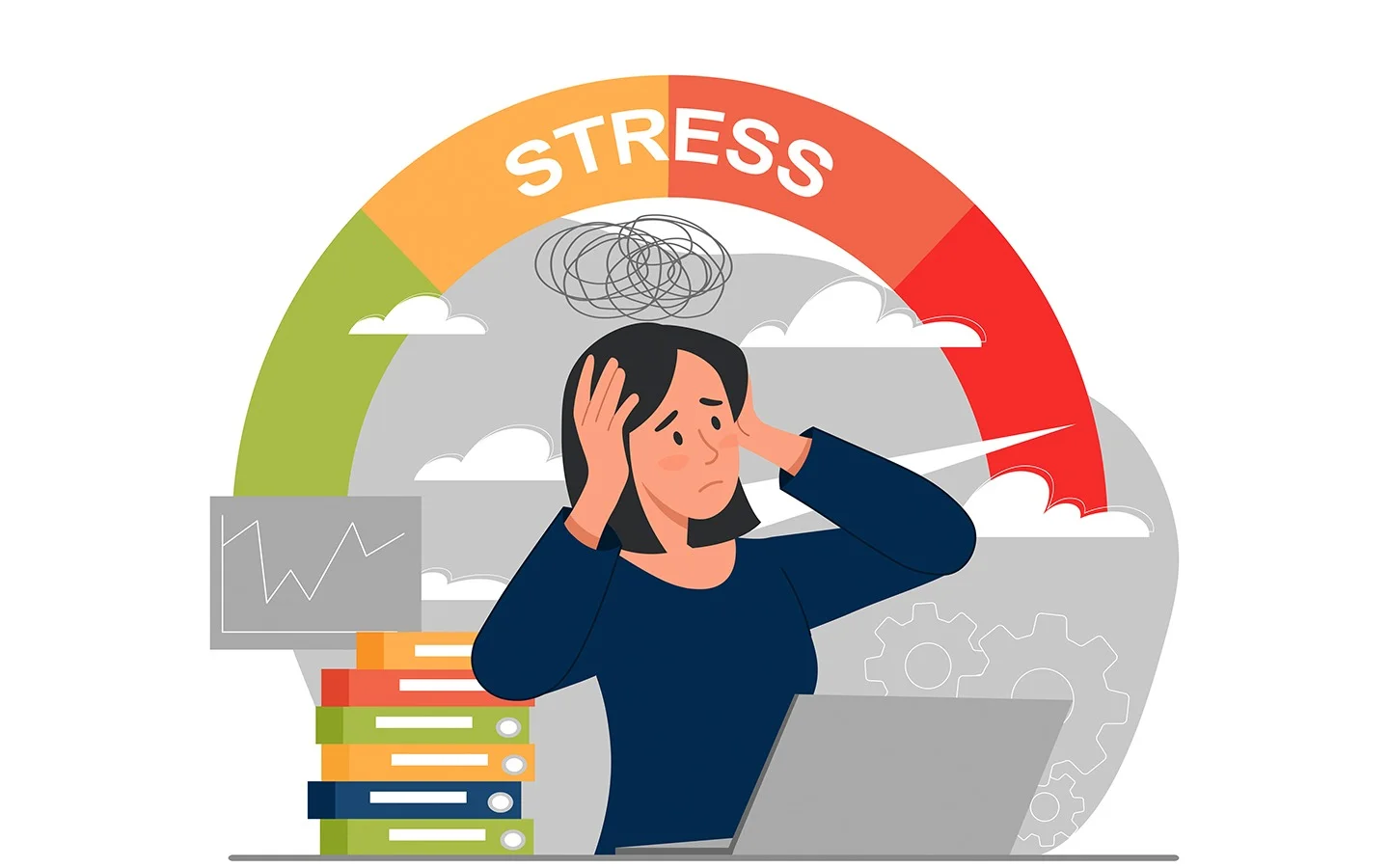
What Is Stress?
Stress is your body’s natural response to pressure or perceived demands. In short bursts, it can be helpful — motivating you to complete tasks, prepare for challenges, or stay alert.
However, when stress becomes ongoing and overwhelming, it can affect:
- Mood and emotional stability
- Sleep patterns
- Concentration and memory
- Energy levels
- Physical health
The key difference lies in duration and intensity.
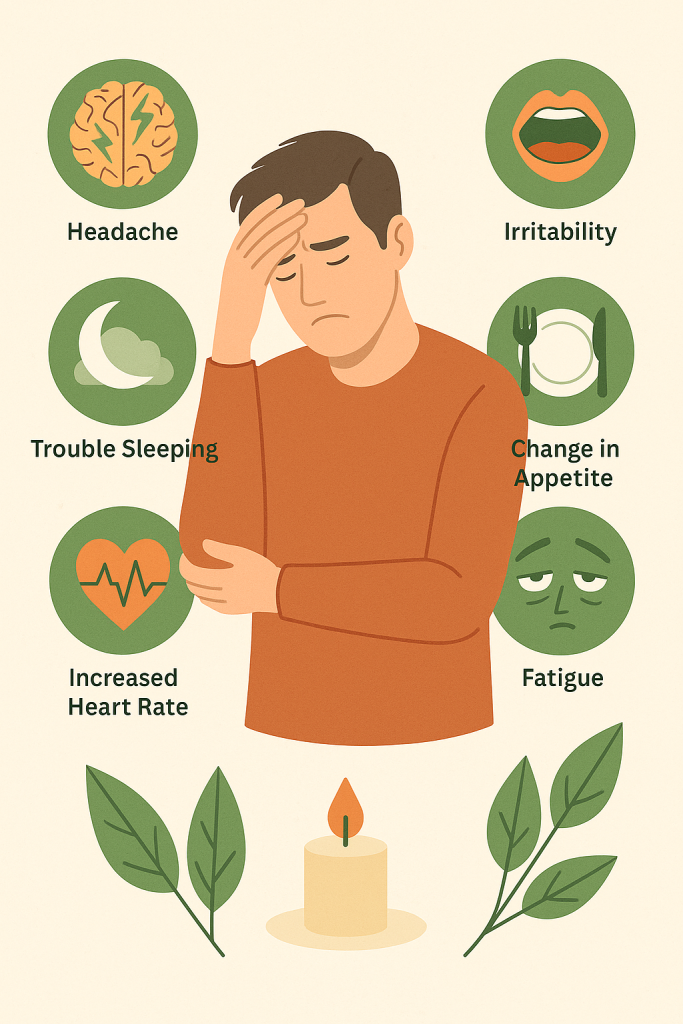
Signs You May Be Chronically Stressed
Stress doesn’t always look dramatic. Sometimes it shows up subtly.
Common signs include:
- Constant fatigue, even after rest
- Irritability or mood swings
- Frequent headaches or muscle tension
- Difficulty focusing
- Racing thoughts
- Trouble sleeping
- Feeling overwhelmed by small tasks
If these symptoms feel persistent, your nervous system may be in a constant “alert mode.”
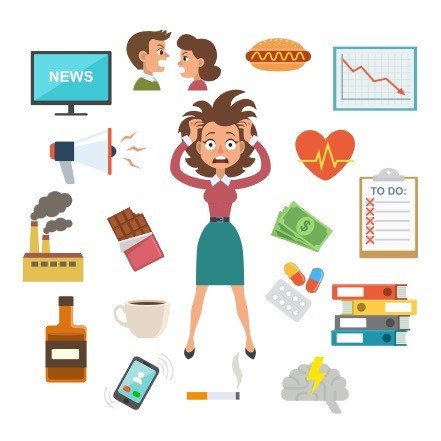
Why Modern Life Increases Stress
Today’s world brings unique stressors:
- Digital overload and constant connectivity
- Academic or workplace competition
- Financial pressures
- Social comparison through social media
- Limited rest and downtime
We are expected to be productive, responsive, and successful — often all at once.
Without boundaries, this pace becomes unsustainable.
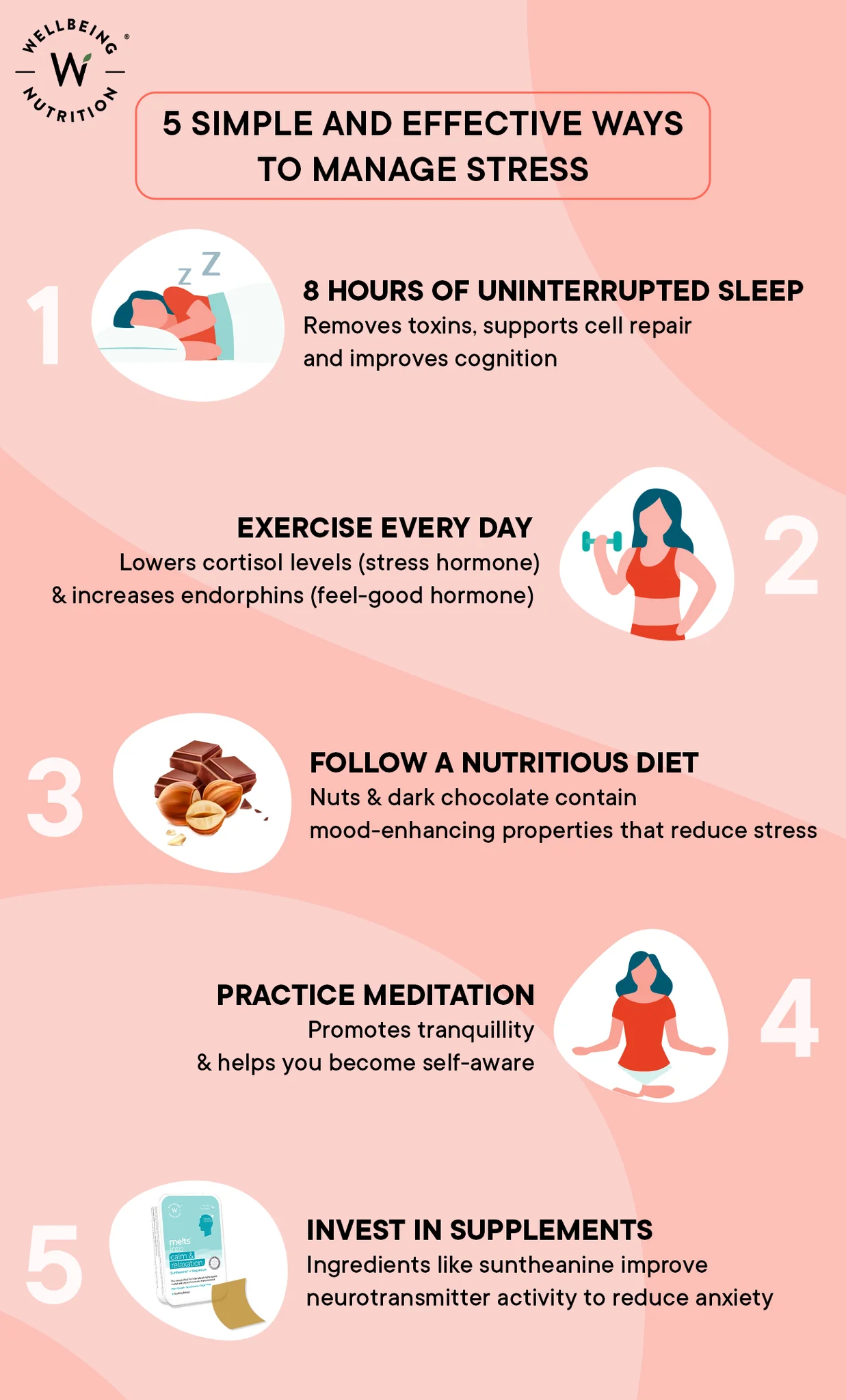
Practical Ways to Manage Stress
Stress management doesn’t require drastic changes. Small, consistent habits can make a significant difference.
- Regulate Your Nervous System
Try simple grounding techniques:- Deep breathing exercises
- Progressive muscle relaxation
- Short mindfulness practices
Even five minutes can help reset your body.
- Create Digital Boundaries
- Turn off non-essential notifications
- Avoid checking emails late at night
- Designate screen-free time
Reducing digital stimulation lowers mental overload.
- Prioritize Rest as a Necessity
Rest is not laziness — it is restoration.
Aim for:
- Consistent sleep schedule
- Short breaks during work or study
- Gentle physical movement
Recovery strengthens resilience.
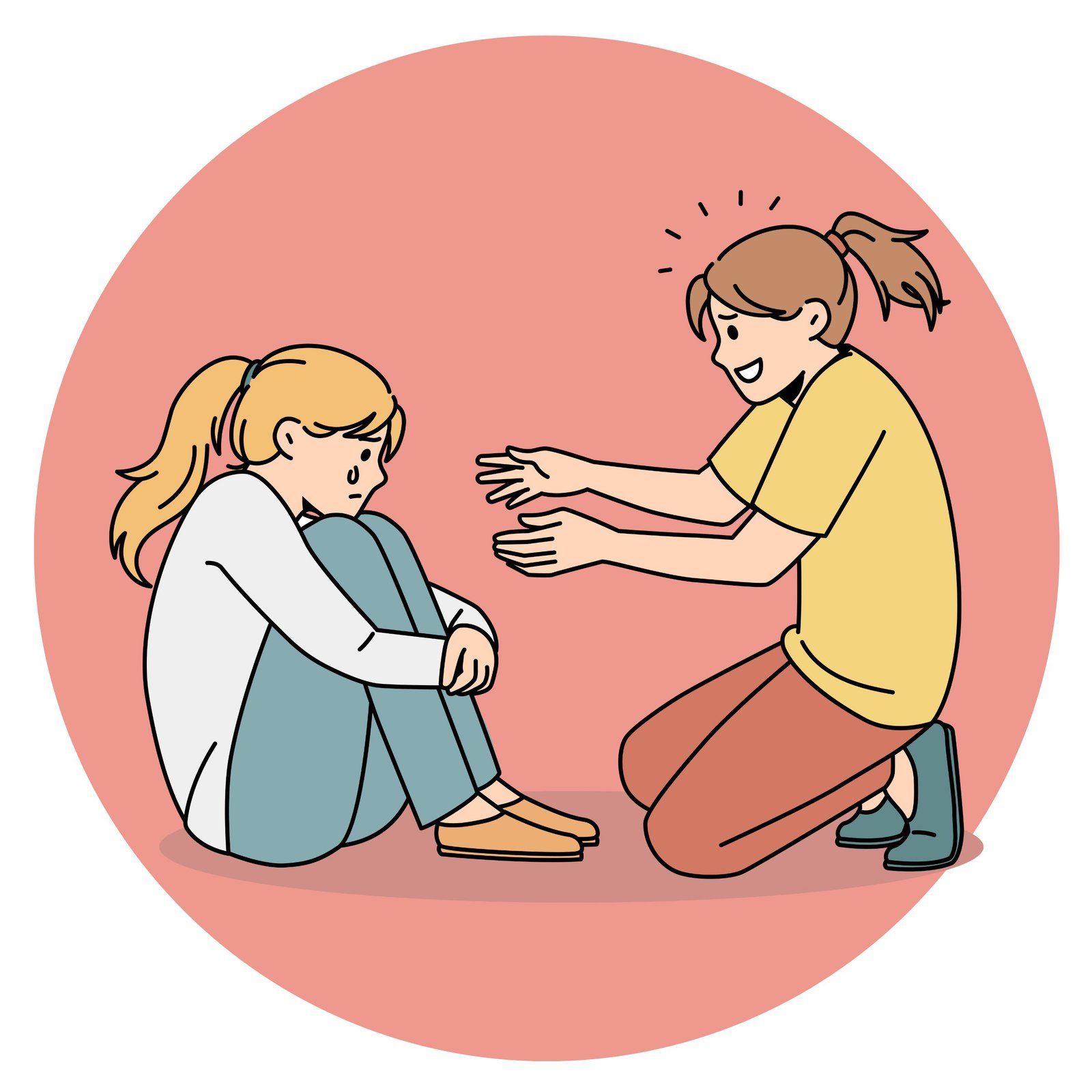
When to Seek Support
If stress begins to:
- Interfere with relationships
- Affect job or academic performance
- Cause frequent physical symptoms
- Feel impossible to manage alone
It may be helpful to seek professional guidance.
Therapy can provide coping tools, emotional clarity, and a safe space to explore underlying pressures.

A Gentle Reminder
In a world that moves quickly, choosing to slow down is an act of self-care.
You are not required to constantly prove your worth through productivity.
Managing stress is not about becoming perfectly calm. It is about learning how to respond thoughtfully rather than react automatically.
At Ameera Wellness, we believe that balance is possible — even in a fast-paced world. With the right tools and support, you can protect your mental well-being while continuing to grow.