Emotional trauma doesn’t always leave visible scars — but its impact can shape how you think, feel, and experience the world.
It can change how safe you feel.
How much you trust.
How deeply you connect.
And sometimes, long after the event has passed, your body and mind are still reacting as if it’s happening now.
Healing from emotional trauma is not about “forgetting” what happened. It’s about gently rebuilding a sense of safety, strength, and self-trust.

What Is Emotional Trauma?
Emotional trauma refers to the lasting impact of a distressing or overwhelming experience that disrupts your sense of safety and well-being.
It can result from:
- Abuse (physical, emotional, or sexual)
- Loss of a loved one
- Witnessing violence or relationship betrayal
- Accidents or sudden life changes
- Chronic stress or neglect
Trauma is not defined only by the event — it’s defined by how the nervous system experiences it.
Two people can go through the same situation and respond differently. Your response is valid.
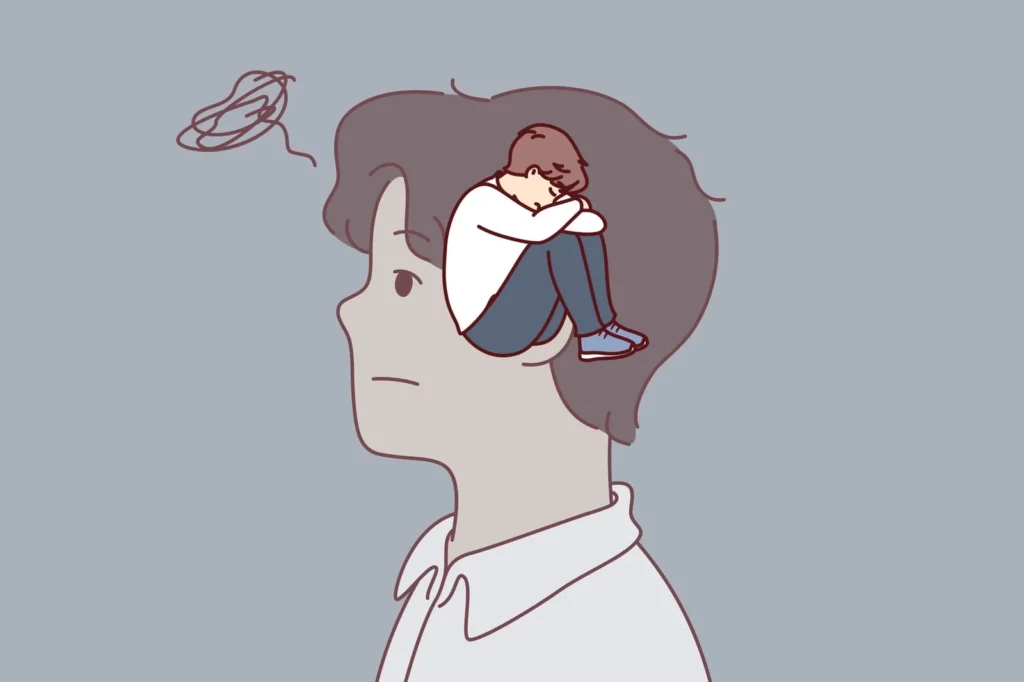
Signs You May Be Carrying Emotional Trauma
Trauma does not always look dramatic. It may show up as:
- Constant anxiety or hypervigilance
- Emotional numbness
- Difficulty trusting others
- Fear of abandonment
- Overreacting to small triggers
- Flashbacks or intrusive memories
- Avoidance of certain situations
- Low self-worth
Sometimes trauma lives quietly beneath the surface — influencing relationships, confidence, and emotional regulation.
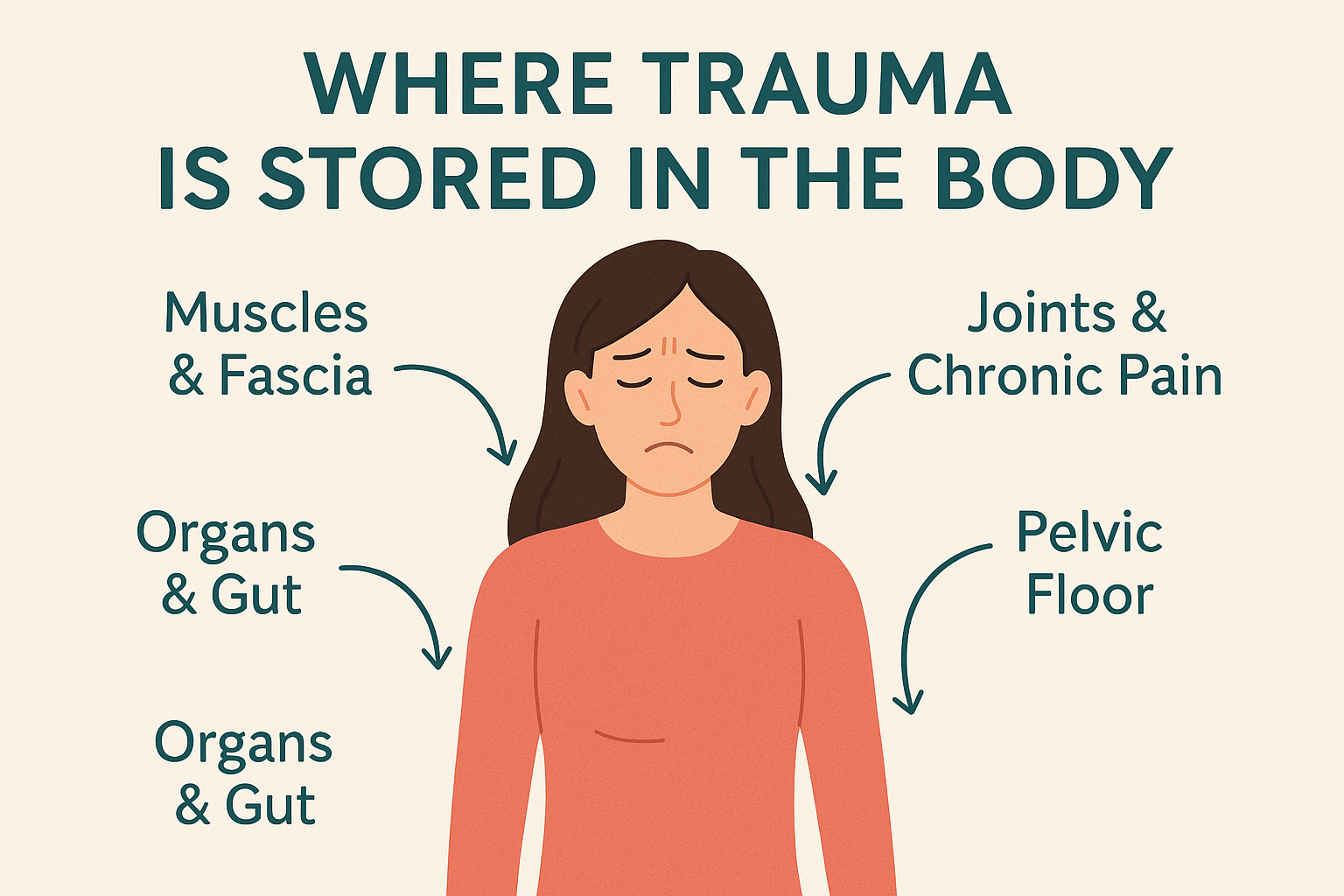
Why Trauma Stays in the Body
When something overwhelming happens, your nervous system shifts into survival mode — fight, flight, freeze, or fawn.
If the experience isn’t fully processed, the body may continue to react as though the danger is still present.
This is why you might:
- Feel intense reactions that seem “too big”
- Shut down emotionally
- Struggle to relax
- Feel unsafe without knowing why
Trauma healing involves helping the nervous system learn that it is safe again.
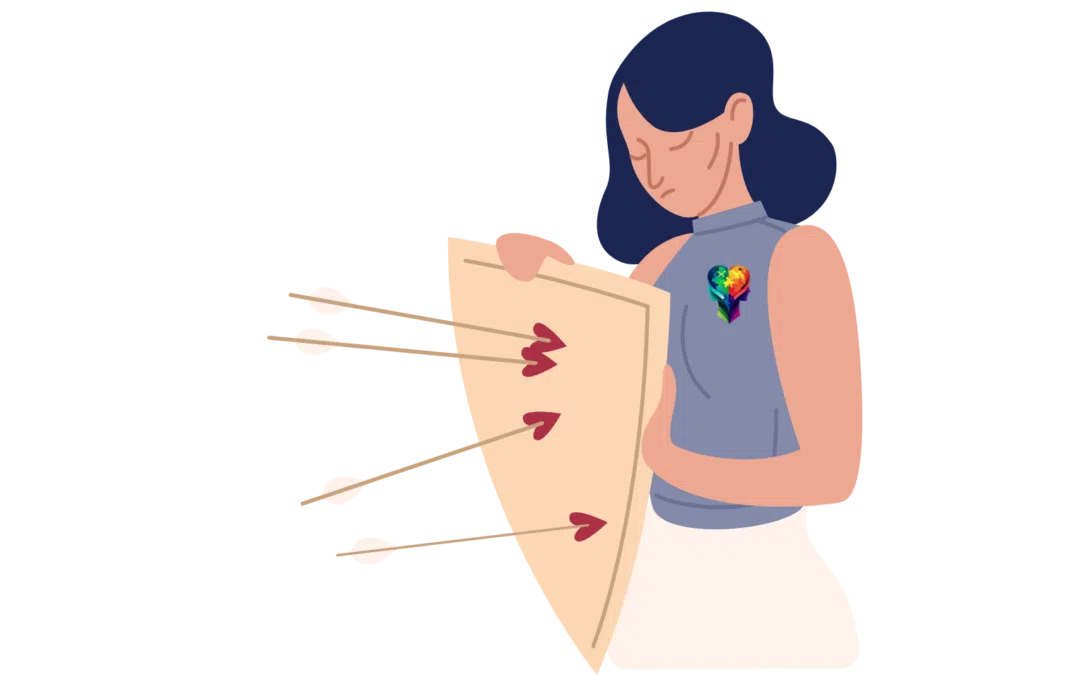
What Healing from Trauma Really Means
Healing does not mean:
- Pretending it didn’t happen
- Forcing forgiveness
- Being “strong” all the time
- Never feeling triggered again
Healing means:
- Understanding your responses
- Reducing the intensity of triggers
- Rebuilding emotional safety
- Strengthening self-compassion
- Creating healthier patterns
It is a gradual, layered process — not a quick fix.
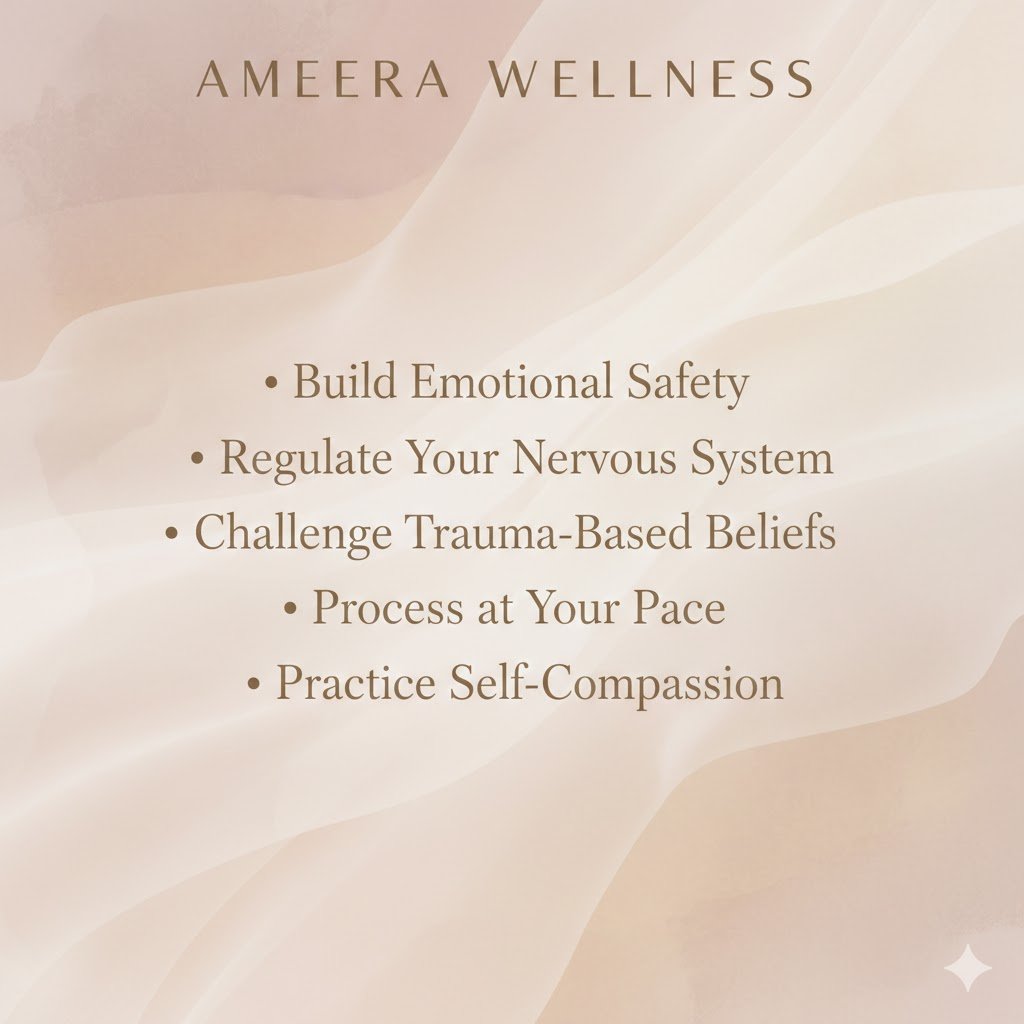
Gentle Steps Toward Healing
- Build Emotional Safety
Before diving into painful memories, it’s important to create stability. This may include:
- Establishing routines
- Practicing grounding techniques
- Strengthening supportive relationships
Safety comes first.
- Learn to Regulate Your Nervous System
Breathing exercises, body awareness, and mindfulness can help calm survival responses and build resilience.
- Challenge Trauma-Based Beliefs
Trauma often creates beliefs like:
- “I’m not enough.”
- “I’m not safe.”
- “It was my fault.”
Therapy can help you gently examine and rewrite these narratives.
- Process the Experience at Your Pace
Trauma work should never feel rushed. A trained therapist provides a safe, structured environment to process emotions gradually.
You are in control of the pace.
- Practice Self-Compassion
Many trauma survivors blame themselves. Healing requires kindness toward the version of you that did what it needed to survive.
You were coping the best way you could.

A Gentle Reminder
Your trauma is real.
Your reactions make sense.
Your healing is possible.
Recovery is not about erasing the past — it is about reclaiming your present.
At Ameera Wellness, we believe healing happens in safe spaces where your story is honored and your pace is respected. With the right support, growth and resilience can emerge even from painful experiences.