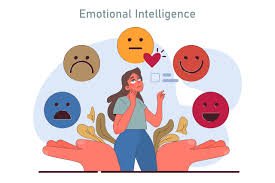
What is Emotional Intelligence?
Emotional Intelligence (EI) is the ability to understand, manage, and regulate emotions in oneself and others. It involves self-awareness, empathy, and effective communication.
EI is a critical skill for building strong relationships, resolving conflicts, and achieving personal and professional success.
Why is Emotional Intelligence Important?
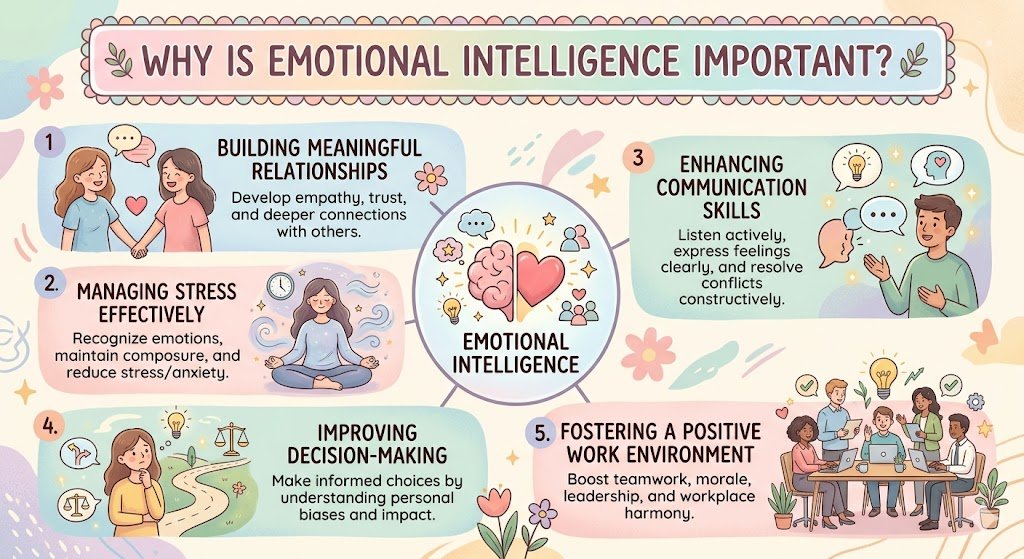
Emotional intelligence is essential for:
- Building meaningful relationships
- Managing stress effectively
- Enhancing communication skills
- Improving decision-making
- Fostering a positive work environment
By developing EI, individuals can navigate challenges with resilience and empathy.
Key Components of Emotional Intelligence
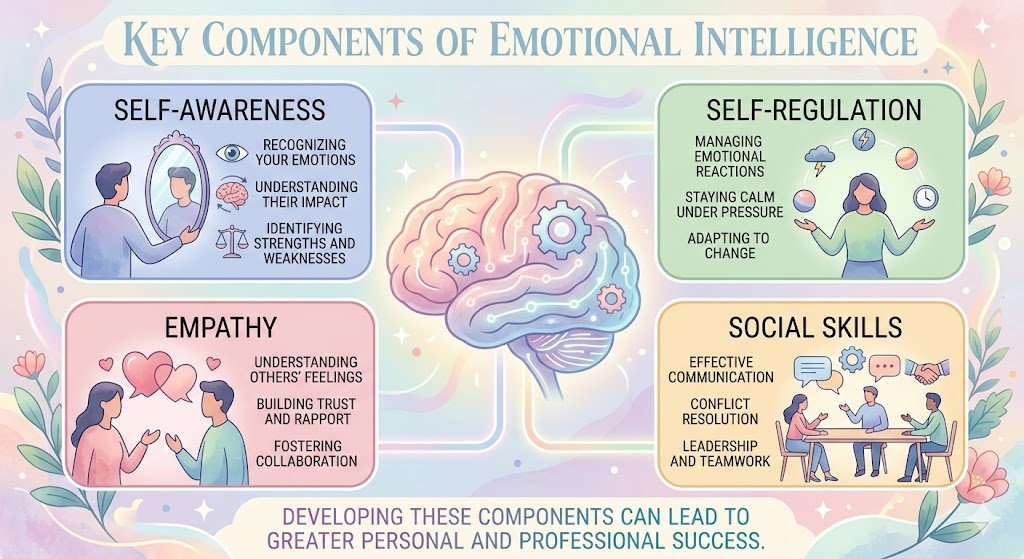
Emotional intelligence comprises several key components, including:
Self-Awareness:
- Recognizing your emotions
- Understanding their impact
- Identifying strengths and weaknesses
Self-Regulation:
- Managing emotional reactions
- Staying calm under pressure
- Adapting to change
Empathy:
- Understanding others' feelings
- Building trust and rapport
- Fostering collaboration
Social Skills:
- Effective communication
- Conflict resolution
- Leadership and teamwork
Developing these components can lead to greater personal and professional success.
How Emotional Intelligence Enhances Relationships
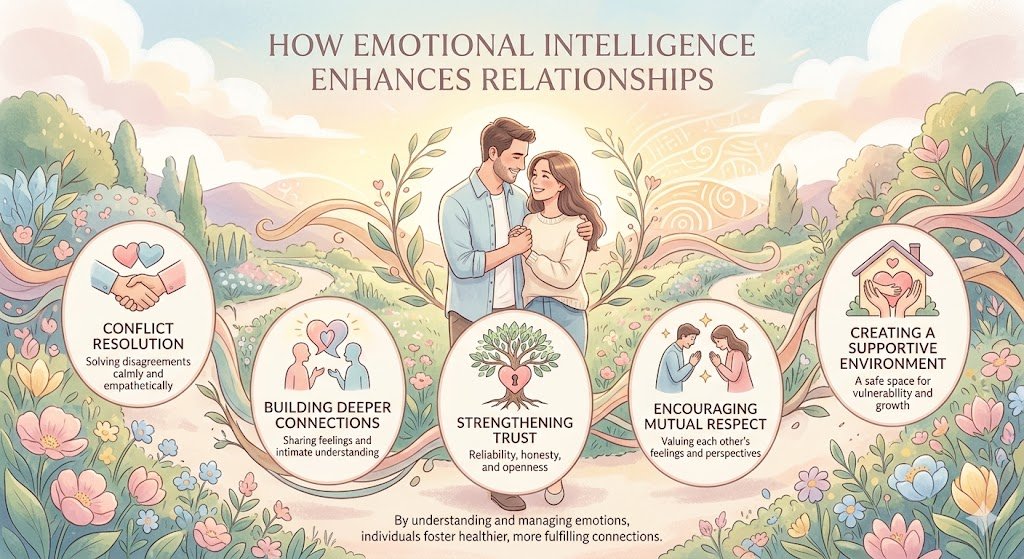
High EI can positively impact:
- Conflict resolution
- Building deeper connections
- Strengthening trust
- Encouraging mutual respect
- Creating a supportive environment
By understanding and managing emotions, individuals can foster healthier and more fulfilling relationships.
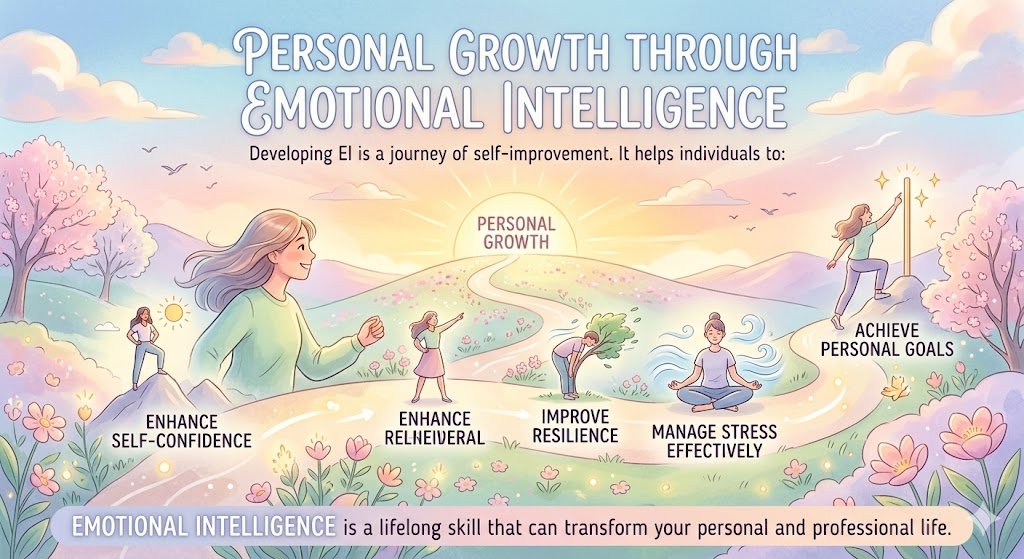
Personal Growth Through Emotional Intelligence
Developing EI is a journey of self-improvement. It helps individuals to:
- Enhance self-confidence
- Improve resilience
- Manage stress effectively
- Achieve personal goals
Emotional intelligence is a lifelong skill that can transform your personal and professional life.