Have you ever wondered why you react strongly when someone pulls away?
Or why closeness sometimes feels overwhelming?
Or why you constantly need reassurance in relationships?
These patterns are often rooted in something called attachment style.
Understanding your attachment style can transform the way you experience love, conflict, and emotional connection.
What Are Attachment Styles?
Attachment styles are patterns of relating to others that develop early in life — often based on how caregivers responded to our emotional needs.
These early experiences shape how we:- Seek closeness
- Handle conflict
- Express emotions
- Trust others
- Respond to distance
While attachment begins in childhood, it continues to influence adult relationships.
The Four Main Attachment Styles
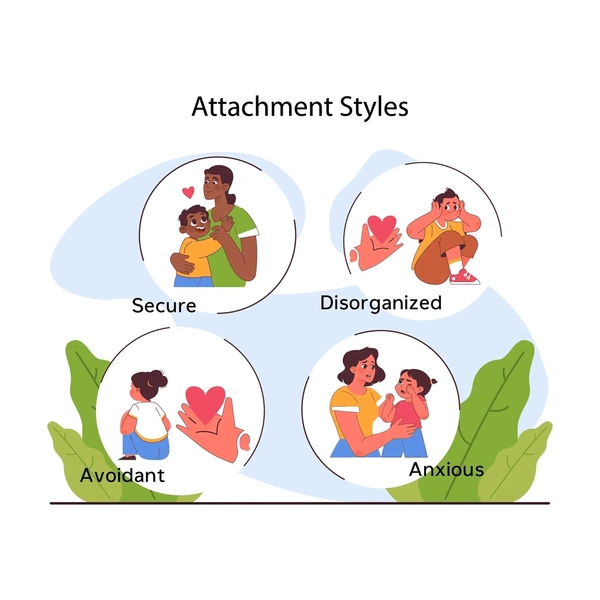
- Secure Attachment
Pay attention to how you speak to yourself. Would you say those same words to someone you care about?
Replace harsh criticism with realistic, compassionate thoughts. - Anxious Attachment
Feelings of insecurity and fear of abandonment often lead to clingy or demanding behavior in relationships. - Avoidant Attachment
People with this style tend to avoid emotional closeness and may struggle to express their needs or feelings. - Disorganized Attachment
This style often develops from trauma or inconsistent caregiving, leading to unpredictable behavior in relationships.

How Attachment Affects Relationships
Attachment styles influence:
- Communication patterns
- Conflict resolution
- Emotional intimacy
- Jealousy and trust
- Dependency and independence
For example:
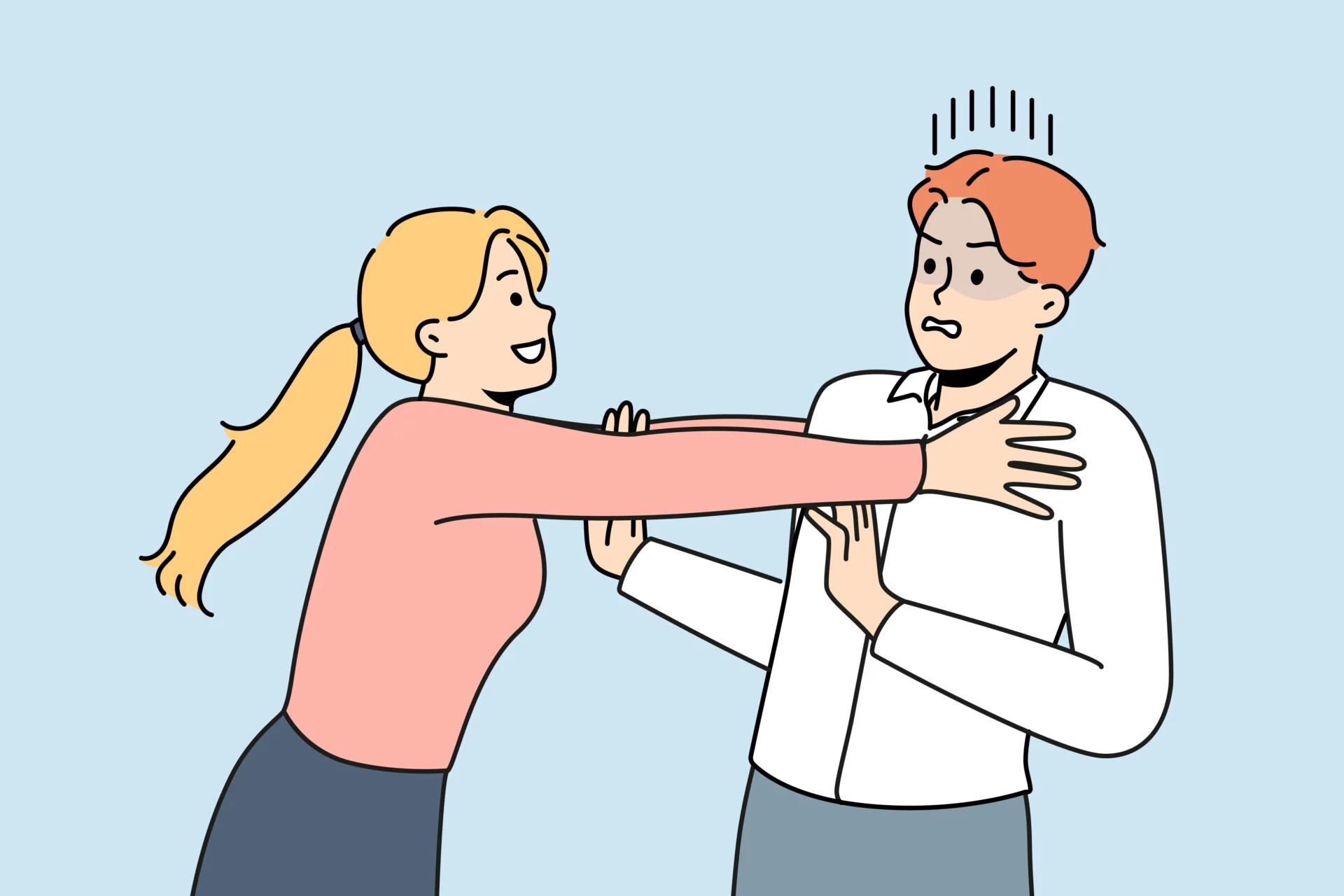
An anxious partner may seek reassurance, while an avoidant partner may withdraw — creating a cycle of pursuit and distance.
Understanding these patterns reduces blame and increases compassion.

Steps Toward Secure Attachment
- Increase Self-Awareness
Notice your inner dialogue. Pay attention to how you speak to yourself. Would you say those same words to someone you care about? - Improve Emotional Regulation
Learn to recognize and manage your emotions. Practice mindfulness, breathing exercises, or journaling to process feelings without judgment. - Communicate Needs Clearly
Express your needs and boundaries in a respectful, direct way. This reinforces self-respect. - Heal Past Wounds
Work with a therapist to process past experiences that may be affecting your current relationships. Healing is not someone else’s timeline.
Why Understanding Attachment Matters
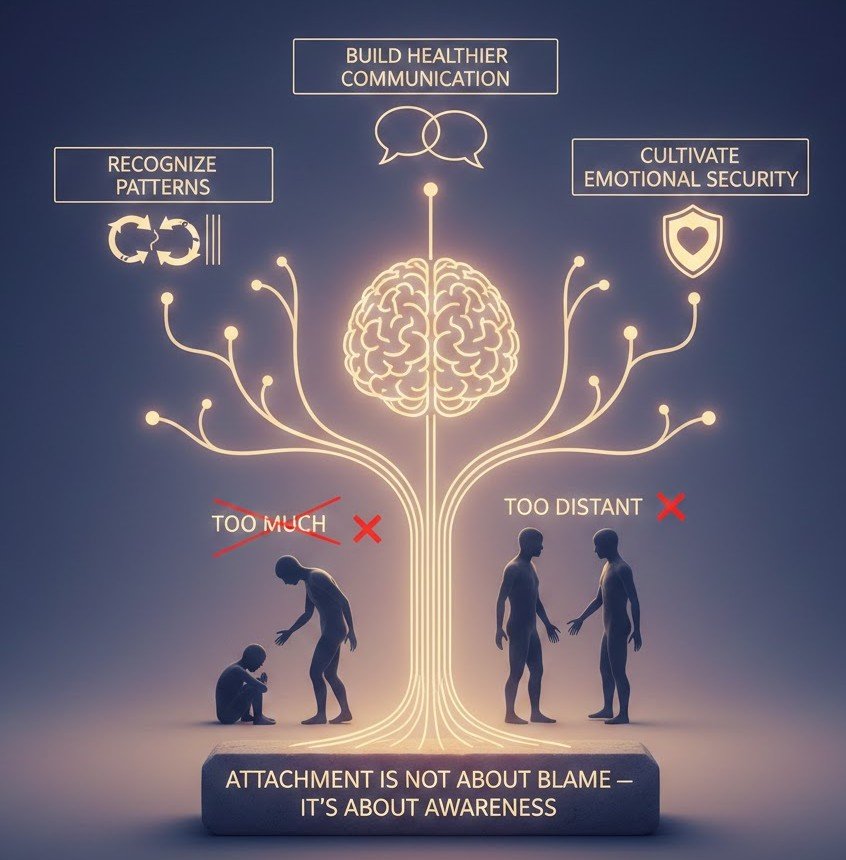
When you understand attachment styles:
- You stop labeling yourself as “too much” or “too distant”
- You recognize patterns instead of repeating them blindly
- You build healthier communication
- You cultivate emotional security
Attachment is not about blame — it’s about awareness.
A Gentle Reminder
Your attachment style explains your patterns — it does not define your future.
You are capable of:
- Secure love
- Emotional stability
- Healthy boundaries
- Balanced intimacy
At Ameera Wellness, we help individuals explore their relationship patterns with compassion, build emotional security, and move toward healthier, more fulfilling connections.